Why Is My AC Bill So High? A Practical Troubleshooting Checklist
Quick Answer
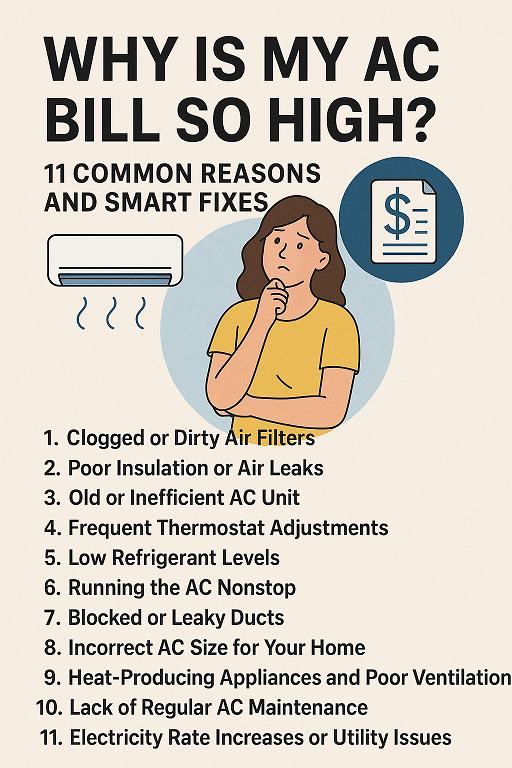
A high AC bill is usually caused by longer runtime, higher electricity rates, dirty filters, duct leaks, poor insulation, low refrigerant, thermostat settings, or an aging inefficient system.
Use the calculator
Generate your AC cost estimate from this guide
Enter your AC size, runtime, SEER or EER rating, and electricity rate to turn this article into a personal cooling-cost estimate.
A high AC bill feels mysterious until you separate it into two questions: did the system use more electricity, or did each kWh cost more? Once you look at runtime, rate, and system condition, the cause usually becomes easier to narrow down.
1. Compare kWh usage, not just dollars
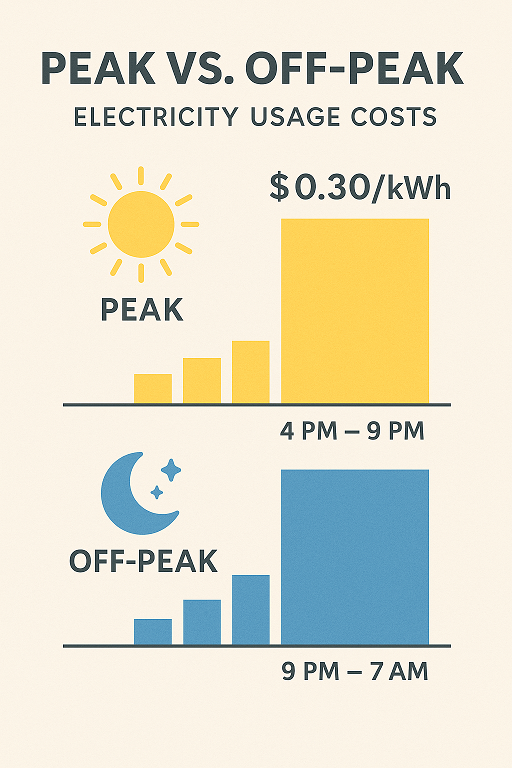
Look at your utility bill and compare this month’s kWh with the same month last year. If kWh rose, your home used more electricity. If kWh stayed similar but dollars rose, the rate, fees, or time-of-use pricing may be the reason.
2. Check whether the AC is running longer
Longer runtime is the most common driver. Heat waves, lower thermostat settings, more people at home, cooking, open doors, or more humidity can all keep the compressor running.
3. Inspect airflow basics
A clogged filter, blocked return, dirty coil, closed vents, or crushed duct can make cooling weaker and runtime longer. Replace or clean the filter, clear vents, and make sure the outdoor unit has space around it.
4. Look for heat entering the home
Hot attics, leaky doors, unshaded windows, poor insulation, and duct leaks can add cooling load. If one room is much hotter than the others, the issue may be local heat gain rather than the entire AC system.
5. Watch for repair symptoms
Call a qualified technician if you notice ice on coils, weak airflow, warm supply air, water leaks, breaker trips, unusual noise, or a system that never reaches setpoint. These symptoms can waste energy and damage equipment.
6. Estimate your expected cost
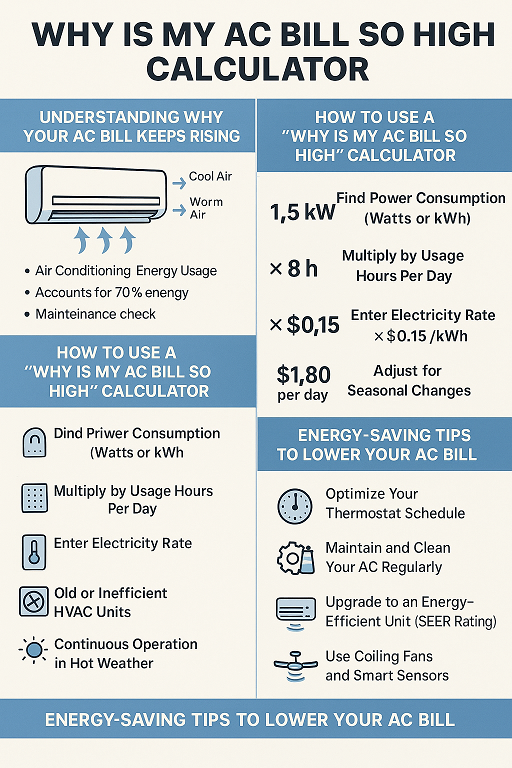
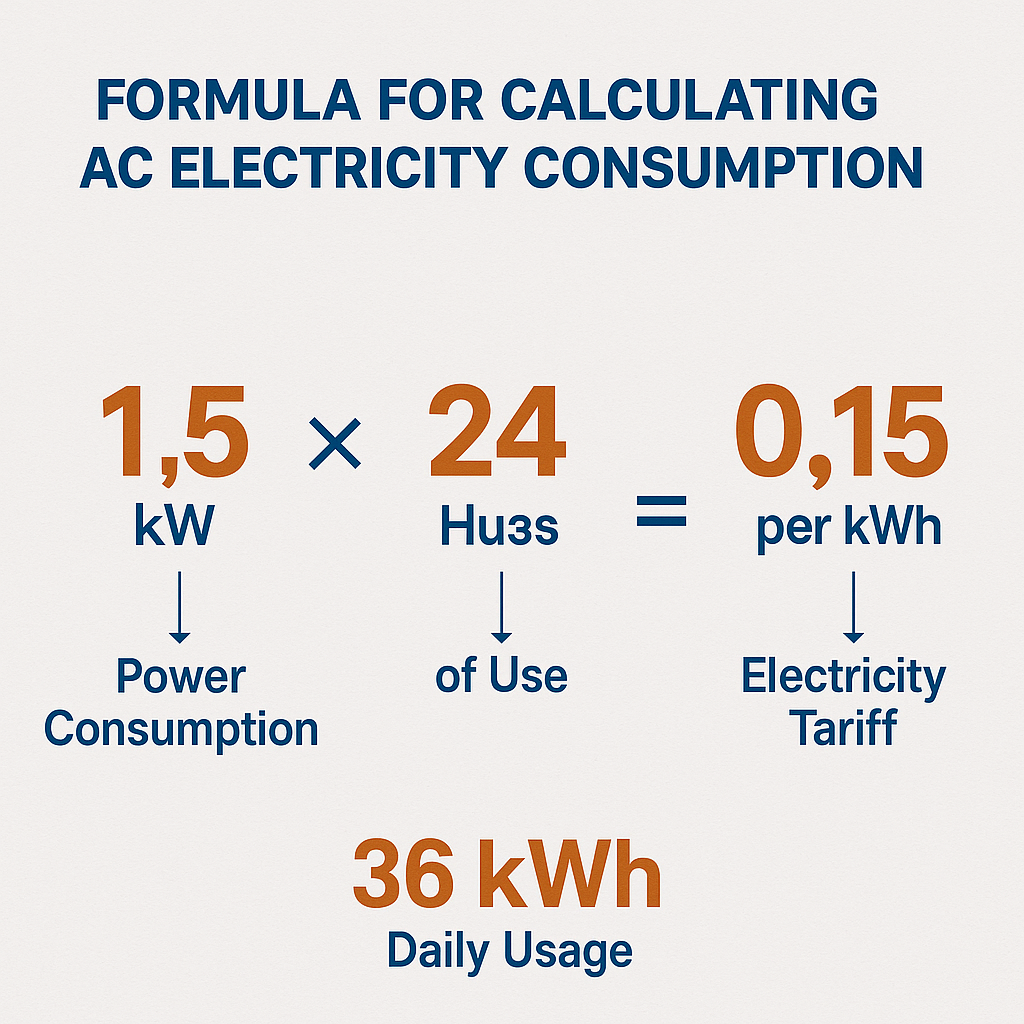
Use the formula power in kW x hours x rate. If the estimate is close to the bill, your AC may simply be running a lot. If the bill is much higher, look for other appliances, billing changes, or system faults.
Bottom line
Do not guess. Compare kWh, rate, runtime, and airflow. Most high AC bill problems are traceable once you work through the checklist in that order.
Key Takeaways
- Use your actual electricity rate from your utility bill whenever possible.
- AC cost changes most with runtime, system efficiency, local climate, and maintenance condition.
- Calculator results are planning estimates, not a replacement for a utility bill or professional HVAC diagnosis.
- For a personalized number, run the same scenario in the AC Bill Pro calculator.
Related AC Cost Resources
FAQs
What is the first thing to check with a high AC bill?
Check runtime and the air filter first. If runtime increased or airflow is restricted, the AC may be working much harder than normal.
Can utility rate changes make my AC bill look worse?
Yes. Even if usage stays similar, a higher kWh rate or time-of-use pricing can raise the bill. Compare both kWh usage and rate.
Editorial Methodology
AC Bill Pro reviews AC cost guidance against the standard kWh cost formula, SEER/EER efficiency assumptions, and publicly available energy-efficiency guidance. This article was last reviewed on June 24, 2026. Use your own utility rate for the most accurate estimate.
About the Editorial Team
The AC Bill Pro Editorial Team writes educational cooling-cost guides focused on calculator methodology, electricity-rate inputs, AC efficiency, and practical homeowner decisions.
Read about our review process