Complete AC Maintenance and Troubleshooting Guide
Quick Answer
Good AC maintenance starts with clean filters, clear airflow, clean coils, open drains, correct thermostat settings, and early attention to weak cooling, ice, leaks, or unusual noises.
Use the calculator
Generate your AC cost estimate from this guide
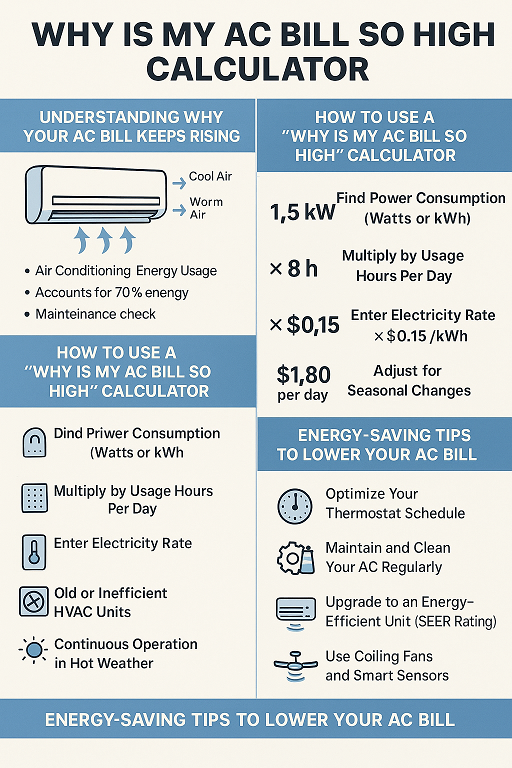
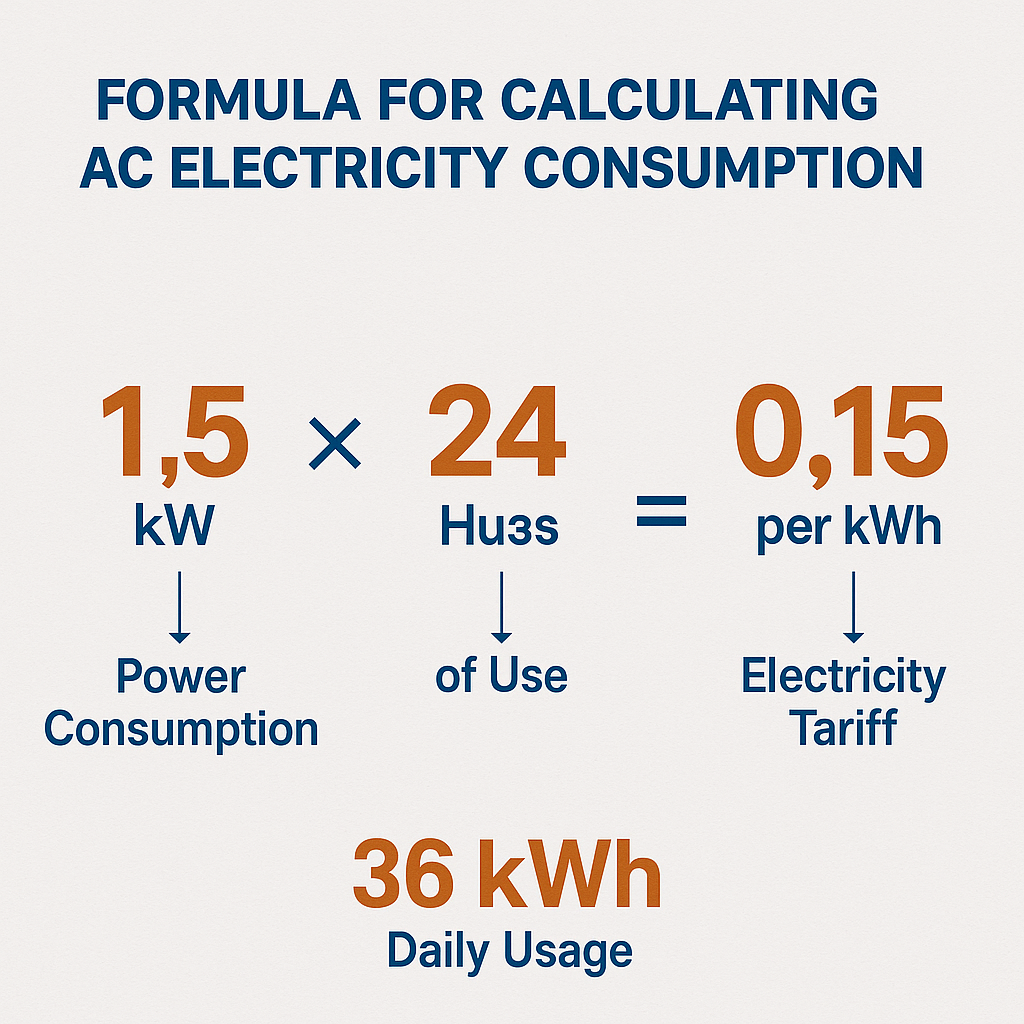
Enter your AC size, runtime, SEER or EER rating, and electricity rate to turn this article into a personal cooling-cost estimate.
AC maintenance is not glamorous, but it is one of the best ways to protect comfort and control electricity cost. A neglected system runs longer, cools worse, and is more likely to fail during the hottest week of the year.
Monthly homeowner checks
Start with the filter. A dirty filter restricts airflow and can lead to frozen coils, weak cooling, and higher bills. Check it monthly during heavy use. Also make sure supply and return vents are not blocked by furniture, rugs, curtains, or storage.
Outdoor unit care
The outdoor condenser needs airflow. Keep plants, leaves, grass clippings, and boxes away from the unit. If the coil is visibly dirty, shut the system off and rinse gently from the outside. Do not bend fins or use high pressure.
Drain and moisture checks
AC systems remove moisture from the air. If the drain line clogs, water can back up and cause damage. Watch for water around the indoor unit, musty smells, or system shutoffs triggered by a float switch.
Troubleshooting weak cooling
If the AC runs but does not cool well, check the filter, vents, thermostat mode, outdoor unit, and breaker. If airflow is good but supply air is warm, the system may need professional diagnosis. Low refrigerant, compressor problems, or coil issues should not be treated as DIY repairs.
Efficiency symptoms to watch
- Runtime is much longer than last season.
- Rooms cool unevenly.
- The system short cycles.
- Ice forms on refrigerant lines or coils.
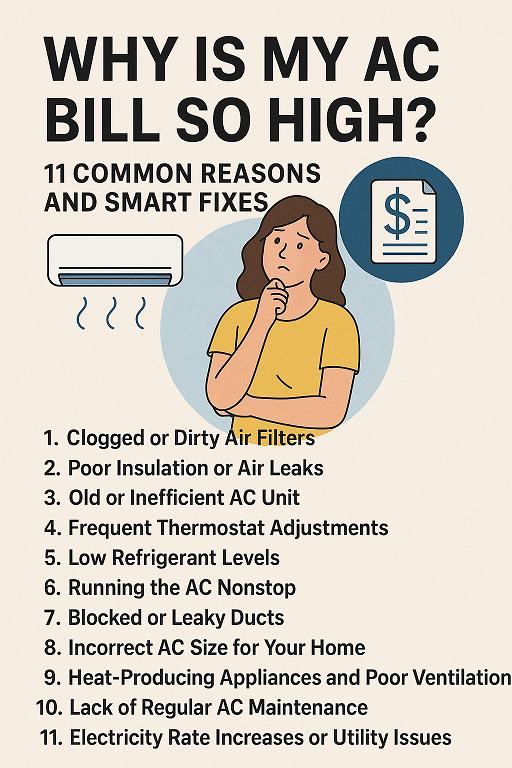
- Electricity use rises without a weather or rate explanation.
Bottom line
Clean airflow, clear drains, and early troubleshooting keep AC costs under control. When symptoms point to refrigerant, electrical, or mechanical problems, bring in a qualified technician before a small problem becomes a summer breakdown.
Key Takeaways
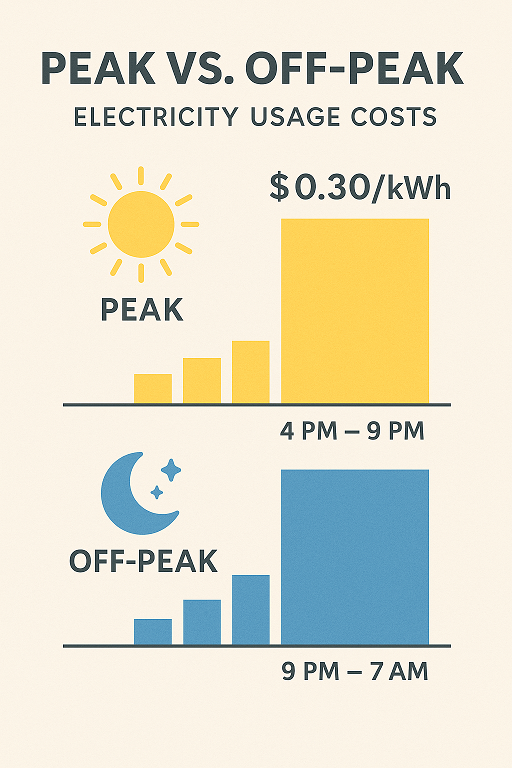
- Use your actual electricity rate from your utility bill whenever possible.
- AC cost changes most with runtime, system efficiency, local climate, and maintenance condition.
- Calculator results are planning estimates, not a replacement for a utility bill or professional HVAC diagnosis.
- For a personalized number, run the same scenario in the AC Bill Pro calculator.
Related AC Cost Resources
FAQs
How often should I change my AC filter?
Check it monthly during heavy cooling season. Many homes replace filters every 1 to 3 months, but pets, dust, and long runtime can require more frequent changes.
When should I call an HVAC technician?
Call a professional for refrigerant issues, ice on coils, electrical problems, water leaks, burning smells, short cycling, or weak cooling that basic filter and airflow checks do not fix.
Editorial Methodology
AC Bill Pro reviews AC cost guidance against the standard kWh cost formula, SEER/EER efficiency assumptions, and publicly available energy-efficiency guidance. This article was last reviewed on June 24, 2026. Use your own utility rate for the most accurate estimate.
About the Editorial Team
The AC Bill Pro Editorial Team writes educational cooling-cost guides focused on calculator methodology, electricity-rate inputs, AC efficiency, and practical homeowner decisions.
Read about our review process