How to Choose the Right AC Unit for Your Home and Budget
Quick Answer
The right AC unit is the one that matches your cooling load, local climate, budget, and electricity rate. Compare BTU or tonnage, SEER2 efficiency, installation needs, and estimated monthly running cost before buying.
Use the calculator
Generate your AC cost estimate from this guide
Enter your AC size, runtime, SEER or EER rating, and electricity rate to turn this article into a personal cooling-cost estimate.
Choosing an air conditioner is not just a hardware decision. It is a comfort, electricity bill, noise, maintenance, and resale-value decision. The best AC for one home can be the wrong choice for another because cooling load changes with climate, insulation, window exposure, ceiling height, and how many hours the system runs.
Start with the job the AC must do
Before comparing brands, define the cooling problem. Are you cooling one bedroom, a home office, an open living area, or an entire house? A small room may only need a window unit or ductless mini split. A whole home usually needs central air, a heat pump, or multiple zoned systems.
For a quick estimate, many homeowners use BTU per square foot as a starting point. That is useful for early planning, but it is not a substitute for a proper load calculation. A sunny upstairs room, poor attic insulation, or leaky ducts can require more cooling than the square footage suggests.
Do not buy oversized just to be safe
An oversized AC can cool the air quickly but shut off before it removes enough humidity. That can leave the room cold, damp, and uncomfortable. Short cycling also adds wear to the compressor and can raise operating costs. An undersized unit has the opposite problem: it runs constantly and still struggles during hot afternoons.
Compare lifetime cost, not only purchase price
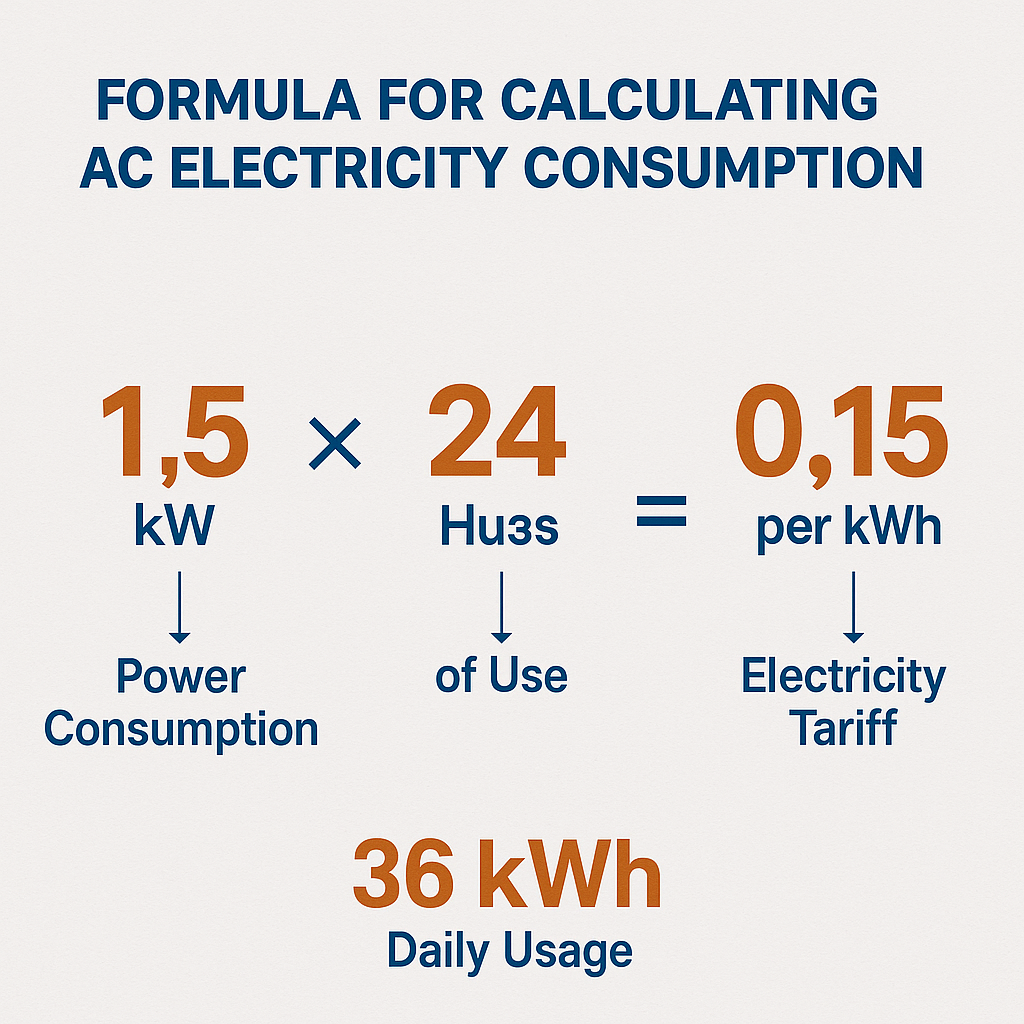
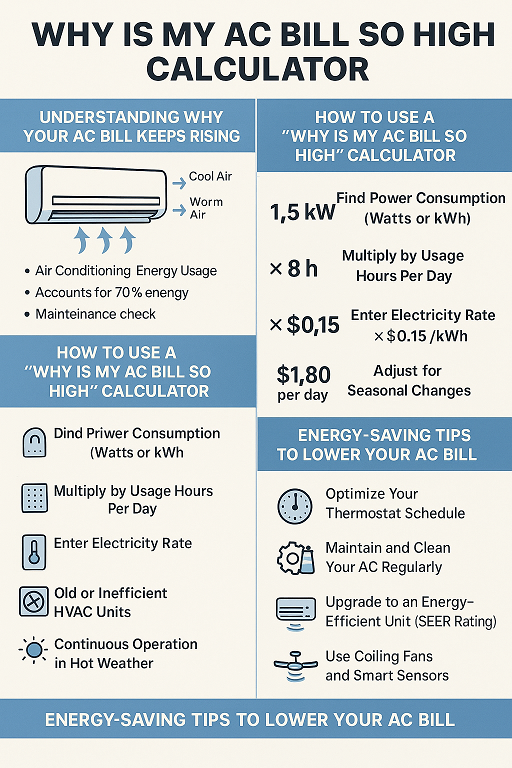
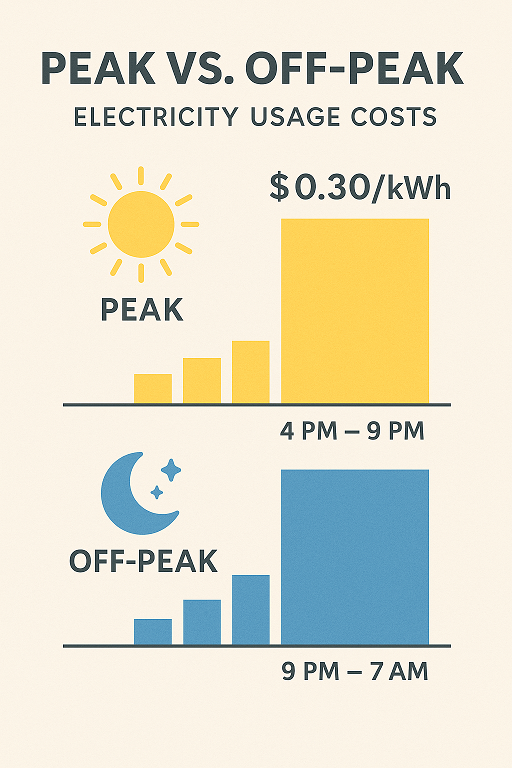
The cheapest unit on the shelf can become expensive if it uses more electricity every summer. Compare the installed price with expected operating cost. Use your local electricity rate, expected daily runtime, AC size, and SEER or SEER2 rating. A simple estimate is: power in kW x hours used x rate per kWh.
If you are comparing two systems, run both scenarios in the AC Bill Pro calculator. A higher-efficiency system often makes more sense in hot states, homes with long cooling seasons, or areas with expensive electricity.
Match the system type to your home
- Central AC: Best when the home already has good ductwork and you need whole-home cooling.
- Ductless mini split: Strong choice for additions, garages, older homes without ducts, and zoned cooling.
- Window AC: Lower upfront cost for one room, but noise, fit, and security matter.
- Portable AC: Flexible, but often less efficient than window or mini-split units.
- Heat pump: Useful if you want both cooling and efficient heating from one system.
Look beyond the efficiency label
SEER2, EER2, inverter compressors, variable-speed fans, smart thermostats, and better humidity control can all improve comfort. But installation quality still matters. Poor refrigerant charge, leaky ducts, blocked airflow, or bad placement can erase the benefit of an efficient model.
Practical buying checklist
- Ask for a room-by-room or whole-home load calculation.
- Compare installed cost and estimated annual electricity cost.
- Check noise ratings if the unit is near bedrooms or neighbors.
- Confirm warranty terms for parts, compressor, and labor.
- Ask how filters, coils, and drains will be maintained.
- Use SEER rating guidance to compare efficiency levels.
Bottom line
The right AC is properly sized, efficiently installed, and realistic for your climate and budget. If you compare equipment by both comfort and running cost, you are far less likely to overpay for features you will not use or underbuy a system that struggles every summer.
Key Takeaways
- Use your actual electricity rate from your utility bill whenever possible.
- AC cost changes most with runtime, system efficiency, local climate, and maintenance condition.
- Calculator results are planning estimates, not a replacement for a utility bill or professional HVAC diagnosis.
- For a personalized number, run the same scenario in the AC Bill Pro calculator.
Related AC Cost Resources
FAQs
What size AC do I need?
Start with a load calculation or a rough BTU estimate, then adjust for insulation, windows, ceiling height, sun exposure, and climate. Oversized and undersized units can both waste energy.
Is a higher SEER2 AC always worth it?
Not always. Higher efficiency helps most when you use AC many hours, have high electricity rates, or live in a hot climate. Compare the extra purchase cost with estimated annual savings.
Editorial Methodology
AC Bill Pro reviews AC cost guidance against the standard kWh cost formula, SEER/EER efficiency assumptions, and publicly available energy-efficiency guidance. This article was last reviewed on June 24, 2026. Use your own utility rate for the most accurate estimate.
About the Editorial Team
The AC Bill Pro Editorial Team writes educational cooling-cost guides focused on calculator methodology, electricity-rate inputs, AC efficiency, and practical homeowner decisions.
Read about our review process